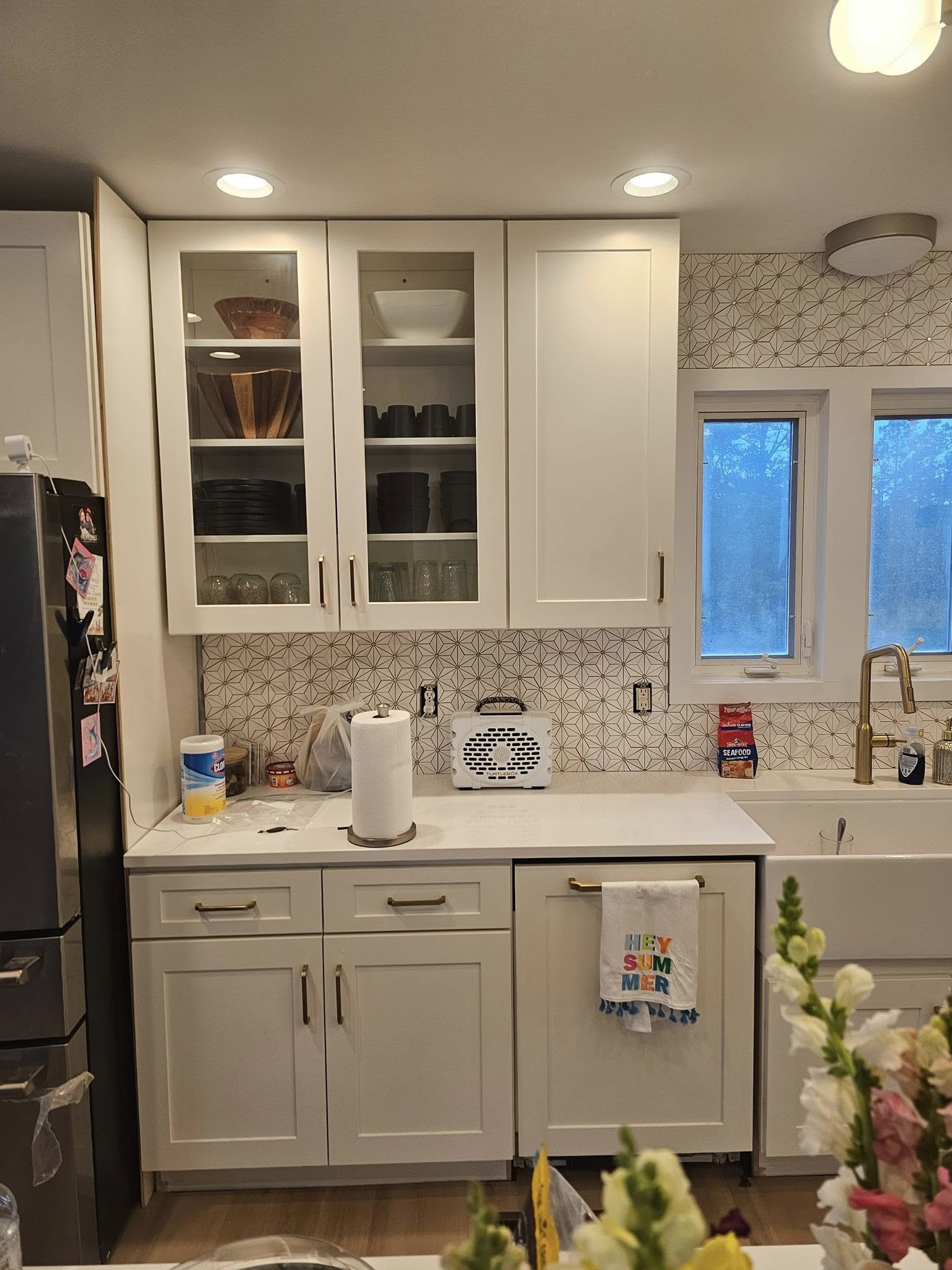
Beyond Aesthetics: How Floor Design Can Transform Your Living Experience Jan 25, 2026
As you ponder the design of your floors, consider how they reflect and amplify the character of your home. The texture, color, and pattern of your flooring contribute significantly to the mood and ambiance of a space. For example, light-colored floors can make a room feel more open and airy, while darker tones provide a cozy, intimate setting. Choosing the right aesthetic is essential, but it's just the beginning of what floor design can do for you.
Beyond the visual aspect, floor design directly influences a room’s functionality. When planning your flooring, think about the activities and foot traffic typical for each room. High-traffic areas such as hallways and entryways benefit from durable options like hardwood or tile, which can withstand wear and are easy to clean. In contrast, bedrooms and living areas might be perfect for softer flooring options that bring warmth and comfort, such as carpet or luxury vinyl.
Moreover, the strategic use of floor design can significantly enhance your home's spatial dynamics. Patterns like herringbone or diagonal tiles can make a small space appear larger, while consistent flooring throughout can unify different areas of the house, promoting a seamless flow from one room to another. This continuity is not only visually appealing but also practical, aiding in the functional use of space.
An often-overlooked aspect of floor design is its impact on your home’s acoustics. The right flooring materials can absorb or reflect sound, affecting noise levels and auditory comfort. For instance, carpet and cork flooring are excellent for sound absorption, making them ideal for upstairs rooms or audio-centric spaces. In contrast, harder surfaces like tiles and hardwood reflect sound, which might be preferable in more lively family areas. Assessing how you want sound to travel in different parts of your home can significantly affect your flooring choices.
Energy efficiency is another important factor that ties in closely with floor design. Certain flooring types offer better insulation than others, impacting your home’s thermal comfort and energy use. Carpets and underfloor heating can enhance warmth during colder months, while tiles and concrete can naturally keep your space cooler in warmer climates. By selecting the right floor design, you can improve energy efficiency and attain more comfortable living conditions.
Finally, don't forget to consider the environmental footprint of your flooring choices. Sustainable materials such as bamboo and reclaimed wood are not only eco-friendly but also add a unique, natural beauty to your spaces. By opting for sustainable materials, you contribute to a healthier planet while creating a luxurious, timeless look in your home.
In conclusion, the impact of floor design goes far beyond mere aesthetics. When executed thoughtfully, it can enhance the functionality, comfort, energy efficiency, and even the auditory quality of your home. At DL Construction & Flooring, we’re committed to helping you create spaces that match your vision while elevating your living experience. Ready to transform your home with expertly designed floors? Contact us today to explore how we can bring your dream floors to life.